celebrity

Baldwin Family Unveils Reality Series Amid Legal Battle

Actor's New Venture Coincides with Involuntary Manslaughter Trial and Mounting Scrutiny

By The Daily Nines Editorial|May 14, 2026|3 Min Read
Baldwin Family Unveils Reality Series Amid Legal BattleBlack & White

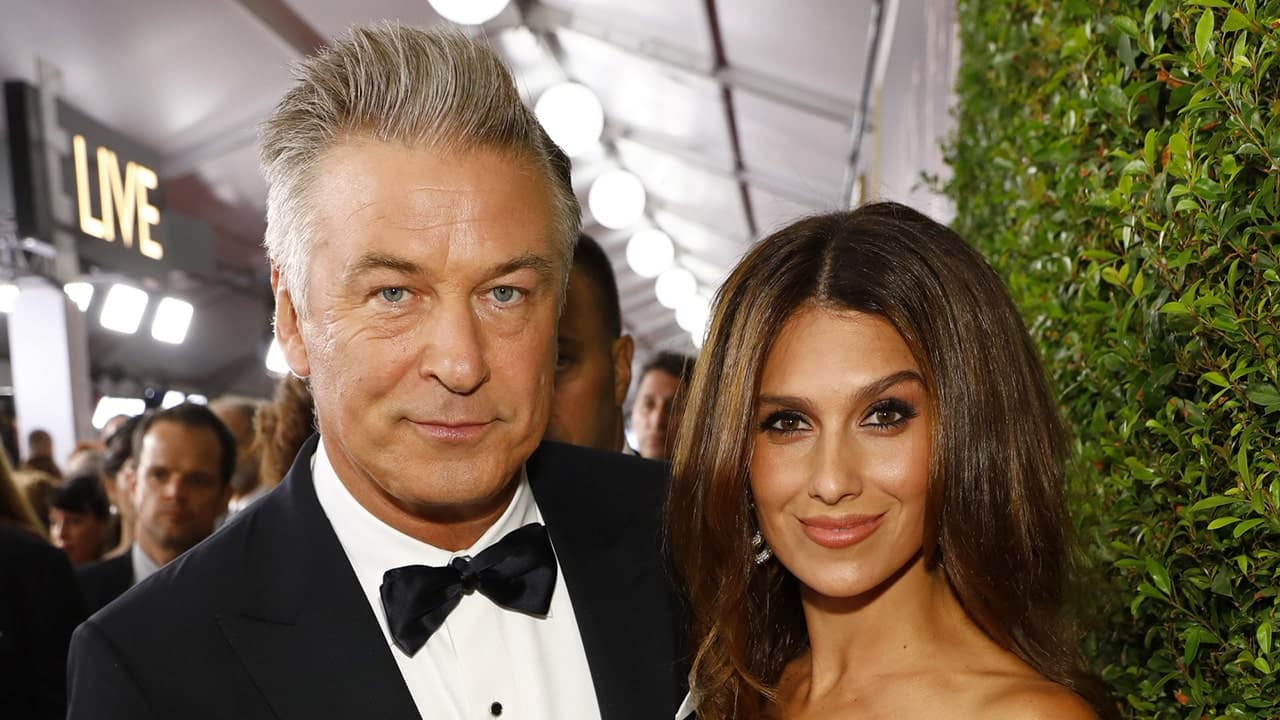
NEW YORK Esteemed actor Alec Baldwin is set to embark on a new public venture, with his family life becoming the subject of a reality television series, a decision that comes amid significant legal challenges and mounting public scrutiny. The announcement places the veteran performer in a unique spotlight as he navigates both domestic portrayal and serious criminal charges.

Mr. Baldwin currently faces an involuntary manslaughter trial, stemming from the fatal shooting on the set of the film "Rust" in 2021. The incident resulted in the death of cinematographer Halyna Hutchins and injuries to director Joel Souza, casting a long shadow over the actor's career and personal life. The legal proceedings carry the potential for a prison sentence, adding a layer of gravity to his professional choices.

The forthcoming reality program, which will reportedly chronicle the daily lives of Baldwin, his wife Hilaria, and their seven young children, represents a distinct shift for an actor largely known for dramatic roles and comedic performances. Reports, including those from Fox News, indicate that the decision to pursue this unscripted format may be bolstered by the considerable financial strain imposed by ongoing legal defenses. Such expenses can be substantial in high-profile cases, often running into millions of dollars, making a new income stream a practical consideration. The series is poised to offer an intimate glimpse into the dynamics of a large celebrity family, yet it simultaneously invites public judgment on Mr. Baldwin’s choices during a period of intense legal vulnerability.

This move underscores a recurring theme in contemporary celebrity culture: the convergence of private hardship and public spectacle. Throughout history, public figures facing adversity have often sought to control their narratives through various media, but reality television offers an unprecedented level of access, albeit often curated. From public apologies to docu-series, the impulse to shape perception or secure financial stability during crisis is not new. However, few instances involve such a stark contrast between a family-focused entertainment project and the gravity of a criminal trial. The public's appetite for personal narratives, particularly those involving well-known personalities under duress, remains robust, fueling a media landscape where personal travails can become prime-time content.

As the legal process unfolds and the cameras prepare to roll on his domestic life, Mr. Baldwin’s latest endeavor will undoubtedly generate considerable discussion about the intersection of celebrity, justice, and the evolving nature of public engagement in the digital age.

Originally reported by foxnews.com. Read the original article

In-Depth Insight

What history's greatest thinkers would say about this story

The Dialectical Debate

Aristotle

Aristotle

Lead Analysis

The Philosopher · 384 BC–322 BC

In examining this modern spectacle, where a public figure turns to reality television amid legal peril, I draw upon my theory of virtue ethics, emphasizing the mean between excess and deficiency. The actor's choice to expose his family life may represent an attempt at catharsis or financial prudence, akin to achieving eudaimonia through balanced action. Yet, as detailed in the article, this occurs against the backdrop of a grave involuntary manslaughter charge from a film set tragedy, potentially undermining the golden mean of propriety. One must question whether such public vulnerability serves the greater good or merely indulges in ostentation, for true virtue lies in actions that promote communal harmony rather than personal spectacle. This endeavor, while pragmatic amid legal expenses, risks eroding the ethical equilibrium between private hardship and public scrutiny.

Voltaire

Voltaire

Supporting View

The Enlightenment Satirist · 1694–1778

To my colleague's point on virtue and balance, I must agree that this actor's pivot to a reality series reflects a calculated effort to navigate adversity, much as I advocated for reason and free expression in the face of oppression. Building upon this foundation, in our modern context, the article highlights how such media endeavors allow individuals to shape their narratives amid financial strains from legal battles, echoing the Enlightenment's push against arbitrary authority. Yet, this unscripted format, chronicling family life during a trial for a fatal incident, underscores the tension between personal liberty and societal judgment. It is a witty reminder that, in the spirit of tolerance, we must weigh the pursuit of economic stability against the potential for curated authenticity, ensuring that public engagement does not devolve into mere spectacle but fosters informed discourse.

S

Seneca

Counter-Argument

The Stoic Philosopher · 4 BC–65 AD

I must respectfully disagree with my esteemed colleagues, for while they focus on virtue and expression, I invoke Stoicism's emphasis on inner resilience and detachment from external turmoil. The article portrays this reality series as a response to legal woes and financial pressures following a tragic shooting, yet such public exposure strikes me as a flight from true fortitude, favoring fleeting fame over the Stoic ideal of enduring hardships with equanimity. Instead of seeking solace in family portrayal amid a manslaughter trial, one ought to cultivate apatheia, accepting fate's blows without amplifying them through media. While the actor's choice may address practical needs, it risks entangling the soul in vanities, diverting from the path of rational self-control and potentially exacerbating the very scrutiny it aims to mitigate.

Cross-Cultural Perspectives

I

Ibn Khaldun

The Historian of Civilizations · 1332–1406

From the Arabic/Islamic tradition, my cyclical theory of 'asabiyyah' illuminates how societies rise and fall through group solidarity and moral decay. In this case, the actor's reality series amid legal battles for a film set fatality reflects the erosion of social cohesion in celebrity culture, where personal narratives fuel economic pursuits at the expense of communal trust. As the article notes, this venture addresses financial strains from trials, mirroring how elites in declining eras exploit media for stability, yet it risks weakening the very bonds that sustain society by turning tragedy into entertainment.

Plato

Plato

The Idealist Philosopher · c. 427 BC–c. 347 BC

Drawing from the Ancient Greek/Roman tradition, my framework of the Forms critiques this reality series as a shadow on the cave wall, distorting truth for public consumption. The article describes the actor's family portrayal during a manslaughter trial from a shooting incident as a curated spectacle, which prioritizes illusion over the pursuit of justice and genuine knowledge. Such endeavors, driven by financial necessity, highlight how modern media mimics the deceptive arts I warned against, potentially leading souls away from the true Form of the Good toward a realm of fleeting appearances.

Alexis de Tocqueville

Alexis de Tocqueville

The Political Sociologist · 1805–1859

In the French tradition, my observations on democracy and individualism reveal how this actor's reality series exemplifies the 'tyranny of the majority' in celebrity affairs. As the article outlines, the project emerges amid legal scrutiny for an involuntary manslaughter charge, serving as a means to manage public perception and financial burdens. This convergence of private life and spectacle underscores the democratic impulse to equalize through media exposure, yet it warns of individualism's excesses, where personal narratives overshadow civic duties and invite undue judgment in an age of relentless scrutiny.

Immanuel Kant

Immanuel Kant

The Moral Philosopher · 1724–1804

From the German tradition, my categorical imperative demands universal moral laws, which this actor's choice to produce a reality series fails to uphold amid his legal challenges. The article details how the series addresses expenses from a trial over a fatal shooting, but such actions treat personal hardship as a commodity, neglecting the duty to respect human dignity. One must ask if this pursuit, driven by necessity, could be willed as a universal law without degrading the sanctity of justice and family life into mere entertainment.

C

Confucius

The Sage of Ethics · 551 BC–479 BC

In the East Asian tradition, my emphasis on filial piety and social harmony critiques this reality series as a disruption of proper family order during times of crisis. As the article notes, the actor's project seeks to chronicle domestic life amid a manslaughter trial for a set accident, potentially exploiting familial bonds for financial gain. True ren should prioritize moral cultivation and relational duties over public exposure, reminding us that exposing vulnerabilities may erode the harmony essential for personal and societal well-being.

The Socratic Interrogation

Questions for the reader:

1

In what ways does the pursuit of financial stability through public exposure, as seen in this case, conflict with the moral imperative to respect the gravity of human loss and seek justice?

2

How might the blending of private family life with public spectacle, amid legal accountability for a tragic event, alter our understanding of personal responsibility in a democratic society?

3

To what extent should individuals facing economic pressures from legal battles be allowed to commodify their narratives, and what does this reveal about the balance between individual freedom and communal ethics in the modern world?

The Daily Nines uses AI to provide historical philosophical perspectives on modern news. These insights are intended for educational and analytical purposes and do not represent factual claims or the views of the companies mentioned.