...
Your Daily Edition — Est. 2026
world

Diplomatic Efforts Mount Amid Hormuz Flare-Up

By The Daily Nines Editorial StaffApril 20, 20263 Min Read
Diplomatic Efforts Mount Amid Hormuz Flare-UpBlack & White

ISLAMABAD — Diplomatic overtures aimed at de-escalating long-standing animosities between the United States and Iran are proceeding with considerable trepidation, as Pakistan endeavors to facilitate crucial dialogue even as recent hostilities in the Strait of Hormuz cast a lengthening shadow over prospective negotiations. The precarious balance between fostering engagement and confronting regional volatility has been starkly underscored by a series of maritime incidents in the vital shipping

Originally reported by Abc News. Read the original article

In-Depth Insight

What history's greatest thinkers would say about this story

Carl von Clausewitz

Carl von Clausewitz

Military Theorist · 1780–1831

In the shadowed straits of Hormuz, where the clash of nations echoes the perpetual friction between policy and violence, I see the very essence of war as the continuation of politics by other means. The precarious diplomacy broached by Pakistan amid these maritime tempests recalls my assertion that no campaign thrives without a clear grasp of the enemy's resolve and the fog that obscures true intentions. Yet, as states teeter on the brink, they must weigh the friction of hostility against the supreme art of strategy, where victory lies not in blind aggression but in compelling the adversary to bend through calculated pressure. Such endeavors demand a masterly alignment of political aims with military prudence, lest the blaze of conflict consume the very foundations of order I so meticulously charted in my reflections on the nature of warfare.

Edmund Burke

Edmund Burke

Philosopher of Conservatism · 1729–1797

Behold the delicate threads of diplomacy unraveling in the Hormuz straits, where ancient animosities between great powers threaten to rend the fabric of established order, much as I warned against the perils of abrupt revolutions that disregard the wisdom of tradition. In Pakistan's cautious facilitation of dialogue amidst this volatility, I discern a prudent nod to the organic growth of societies, for unchecked passions in international affairs, as in domestic upheavals, invite chaos upon the altar of haste. True peace emerges not from fleeting accords but from a reverent respect for the accumulated prejudices and historical bonds that bind nations, lest we sacrifice the slow-built edifice of civilization to the whims of momentary strife, as I lamented in my critiques of radical change.

T

Thomas Paine

Revolutionary Political Thinker · 1737–1809

In the turbulent waters of the Strait of Hormuz, where American and Iranian shadows clash under Pakistan's mediating gaze, I am reminded that the cause of humanity demands reason over the chains of tyranny and superstition. As I once rallied for common sense in the face of monarchical oppression, so too must these nations cast aside the artificial barriers of enmity, embracing the natural rights of peoples to negotiate freely and secure mutual benefits. Yet, if diplomacy falters against entrenched powers, let it be a clarion call for the oppressed to assert their inalienable rights, for true liberty, as I espoused in 'The Rights of Man,' arises not from the sufferance of despots but from the enlightened resolve of the collective will to forge a just and enduring peace.

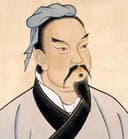
Sun Tzu

Sun Tzu

Ancient Chinese Military Strategist · 544 BC–496 BC

In the perilous straits of Hormuz, where shadows of conflict loom like the deceptive mists of battle, I counsel that supreme excellence lies not in subduing the enemy through force, but in subjugating them without fighting, as I inscribed in 'The Art of War.' Pakistan's role in fostering dialogue amidst these maritime tensions exemplifies the art of knowing when to advance and when to yield, for the wise commander assesses the terrain and the hearts of adversaries, turning apparent weaknesses into unassailable strengths. Let the great powers remember that victory springs from adaptability and the subtle manipulation of circumstances, not brute confrontation, lest they squander their resources in futile strife, ignoring the eternal principle that the highest form of warfare is to win without spilling blood.

Immanuel Kant

Immanuel Kant

Enlightenment Philosopher · 1724–1804

The escalating tensions in the Strait of Hormuz, with Pakistan's earnest efforts at mediation, reveal the moral imperative for nations to pursue perpetual peace through rational federation, as I outlined in my treatise on eternal tranquility among states. Such conflicts arise from the unchecked inclinations of sovereign wills, yet diplomacy offers a path to cosmopolitan duty, where reason compels us to treat others as ends, not means, fostering treaties that bind humanity in a republic of laws. If the United States and Iran heed this categorical command, they might transcend the state of nature's discord, establishing a federation that upholds the moral law, for true enlightenment demands that we act not from self-interest alone, but from the universal principle of goodwill toward all rational beings.