Labour's Economic Policy Faces Internal Scrutiny Amid Calls for Tax Reversal
Prominent figures clash over fiscal strategy, reigniting debates on the party's core economic tenets.
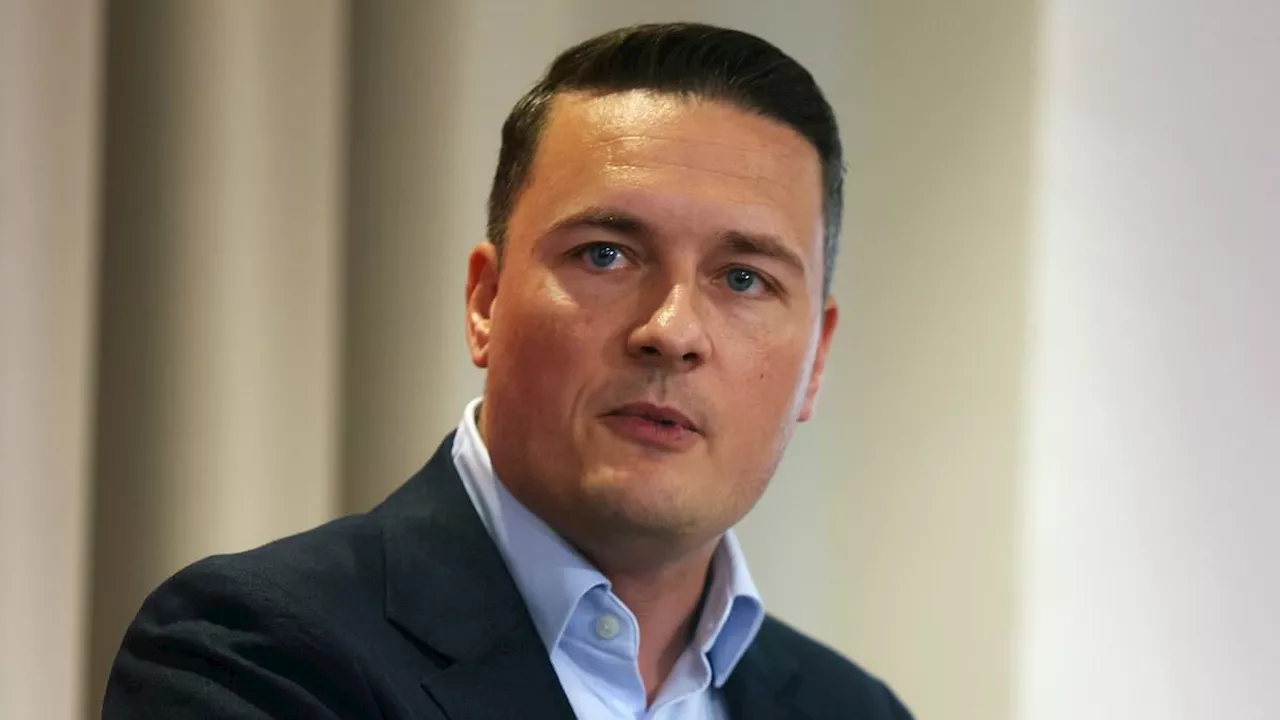
Labour's internal divisions deepen as Wes Streeting challenges existing economic policy, advocating for employer tax cuts against Tony Blair's fiscal warnings.
 Black & White
LONDON — Deepening internal divisions within the Labour Party have come to the fore, as prominent figures engage in a robust debate over the party's future economic direction. At the heart of this burgeoning ideological struggle is a call by Shadow Health Secretary Wes Streeting for a significant reconsideration of employer National Insurance contributions, a move perceived by some as a potential reversal of established fiscal policy. This proposal has garnered a sharp response from former Prime Minister Tony Blair, who advocates for a more cautious approach to public spending and taxation.
The debate underscores the enduring tension within Labour between its traditional commitment to social welfare and the fiscal pragmatism that defined the 'New Labour' era under Mr. Blair. Mr. Streeting's intervention, advocating for a reduction in the levies placed upon employers, is framed as a strategy to stimulate job creation and bolster economic growth ahead of a critical general election. His argument posits that such a measure would directly incentivise businesses to expand their workforce, thereby addressing unemployment and productivity concerns.
However, Mr. Blair, a figure synonymous with modernising the party's economic platform, has voiced considerable apprehension regarding the current trajectory. He contends that the state's expenditure has already reached considerable levels and that any significant increase in public outlays or a perceived loosening of fiscal discipline could prove detrimental. According to analysis published by Headtopics, Mr. Blair has specifically cautioned against the simplistic notion of attributing the rise of populist sentiments solely to economic factors, urging the party to consider broader societal dynamics. His stance reflects a long-held belief in the necessity of fiscal rectitude and a competitive tax environment to foster national prosperity.
This internal scrutiny arrives amid mounting pressure on Labour to present a coherent and credible economic manifesto to the electorate. The party is poised to potentially form the next government, and these high-profile disagreements highlight the challenges of unifying diverse economic philosophies under a single banner. Historically, Labour has navigated similar ideological currents, from the post-war Attlee government's creation of the welfare state to the Thatcher era's economic restructuring that prompted Labour's subsequent realignment under Neil Kinnock and Mr. Blair. The current discussions echo these past periods of intense self-reflection, as the party seeks to define its contemporary economic identity.
The outcome of this internal dialogue could significantly shape Labour's appeal to both businesses and voters. The party's ability to reconcile calls for tax adjustments to spur employment with warnings against excessive state spending will be critical. As the political landscape shifts, the resolution of these fundamental economic questions will undoubtedly play a pivotal role in determining Labour's electoral fortunes and its long-term vision for the nation's economy.
Further Reading
County Roofing Secures Elite Industry Standard
County Roofing achieves CertainTeed's prestigious ShingleMaster PREMIER credential, reinforcing its position as a leader in quality roofing services.
County Roofing Achieves Elite Industry Recognition
County Roofing secures CertainTeed's ShingleMaster Premier Credential, signifying adherence to rigorous industry standards and superior workmanship.
County Roofing Secures Elite Industry Credential
County Roofing earns CertainTeed's ShingleMaster PREMIER credential, signifying top-tier quality and expertise in the roofing industry.