Soaring Fuel Costs Burden American Households Amidst Geopolitical Volatility
Consumers face billions in additional expenditure as global oil markets react to Middle East tensions.
American consumers have paid billions more for gasoline since recent Middle East tensions, impacting household budgets and the broader economy.
 Black & White
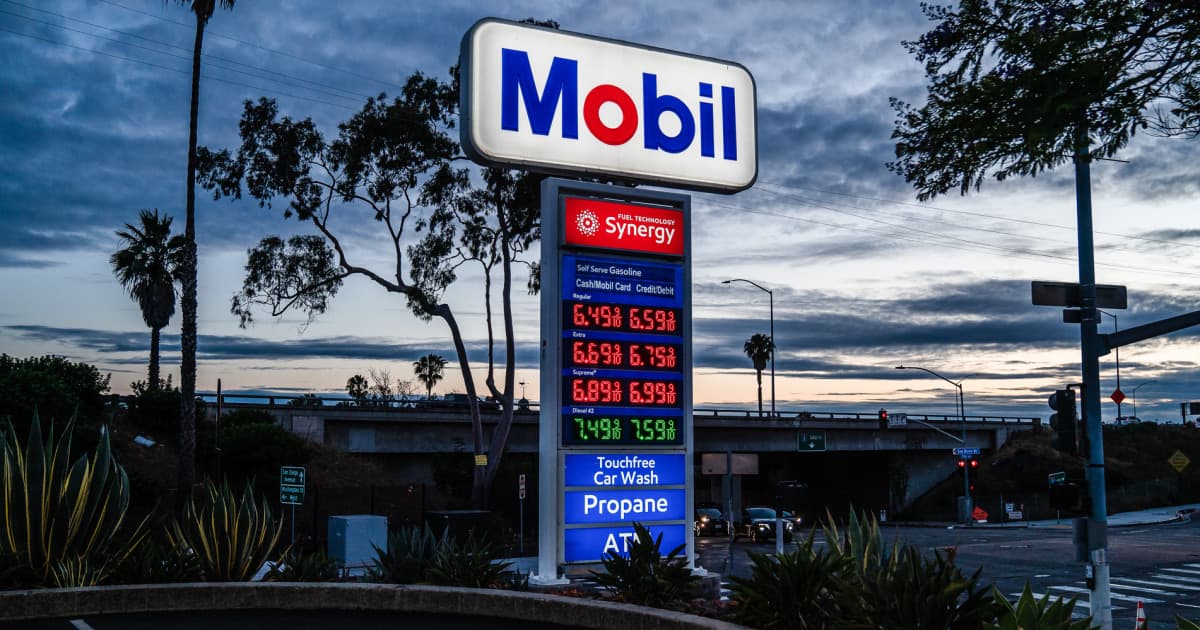
WASHINGTON — American households have collectively borne an additional burden of tens of billions of dollars at the fuel pump since the recent intensification of geopolitical tensions in the Middle East, underscoring the profound economic repercussions of global instability on domestic finances. This substantial increase in expenditure has placed considerable strain on consumer budgets, prompting widespread concern among economists and policymakers regarding its potential to exacerbate inflationary pressures and temper discretionary spending across the nation.
The cumulative financial impact, estimated to be more than $30 billion, represents a significant drain on the purchasing power of millions of families and businesses. This figure, recently highlighted by an analysis from NBC News, reflects the direct cost passed onto consumers as crude oil prices have reacted sharply to the volatile international landscape. The conflict's ripple effects have extended far beyond the immediate region, disrupting established supply chains and introducing a premium into the global energy market, a phenomenon that historically tends to disproportionately affect economies reliant on imported oil.
For the average American motorist, this translates into a tangible increase in weekly or monthly outlays. Individuals who refuel their vehicles just twice a month have observed a noticeable uptick in their annual fuel expenses, diverting funds that might otherwise have been allocated to savings, other essential goods, or leisure activities. Such consistent upward pressure on a non-discretionary expense like gasoline acts as a de facto tax on everyday life, particularly impacting lower and middle-income households and those residing in areas with limited public transportation options. The broader economic implications are equally salient, as higher transportation costs permeate nearly every sector, from manufacturing and agriculture to retail and logistics, ultimately contributing to elevated prices for a wide array of goods and services. Amidst existing inflationary concerns, this additional fiscal strain presents a complex challenge for the Federal Reserve and other economic institutions tasked with maintaining stability. The historical precedent of oil shocks, such as those experienced in the 1970s and early 2000s, serves as a stark reminder of how rapidly geopolitical events can translate into significant domestic economic headwinds, often leading to periods of reduced consumer confidence and slower economic growth.
As global energy markets remain highly sensitive to evolving geopolitical dynamics, the trajectory of fuel prices is poised for continued scrutiny. The ongoing fiscal pressure on American consumers underscores the critical importance of both diplomatic efforts to de-escalate international conflicts and long-term strategies aimed at bolstering energy independence and diversifying energy sources. The nation confronts a persistent dilemma: navigating the immediate costs of global instability while simultaneously charting a more resilient path for its economic future, one less susceptible to the vagaries of distant conflicts.
Further Reading
Tencent Integrates AI Assistant into WeChat Amidst Market Scrutiny
Tencent unveils AI assistant in WeChat, China's top app, aiming to expand AI services and compete with rivals in the burgeoning tech landscape.
Alan Greenspan, Influential Former Fed Chairman, Dies at 100
Former Federal Reserve Chairman Alan Greenspan, a towering figure in American economic policy, has died at the age of 100.
Tech Giants Under Scrutiny Over Flawed Approach to Online Image Abuse
A Chayn report, backed by an actress, criticises tech and authorities for failing on online image abuse, urging a focus on consent over nudity. A paradigm shift